
If your current website feels outdated, slow, hard to update, or weak at turning visits into real conversations, a redesign can help. The catch is simple: a redesign in El Salvador should improve the customer journey without breaking the pages, keywords, forms, and WhatsApp actions that already bring opportunities into the business.
When a redesign affects SEO, WhatsApp leads, and conversion flow, LeWebsite Tech can evaluate the project as part of its website development and optimization services; teams ready to compare options can contact LeWebsite Tech with the current site and goals.
Before you spend money, it helps to compare what a business website should cost in El Salvador, what a growth-focused small-business website should include, what a serious website proposal should spell out, and when a redesign makes more sense than a full rebuild. That context makes it much easier to avoid paying twice for the same problem.
In most cases, a strong redesign is not mainly about prettier screens. It is about cleaning up structure, removing friction, protecting rankings, improving mobile clarity, and making sure the next step is obvious whether a prospect wants to call, fill a form, or message your team on WhatsApp.
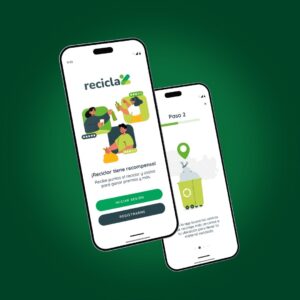
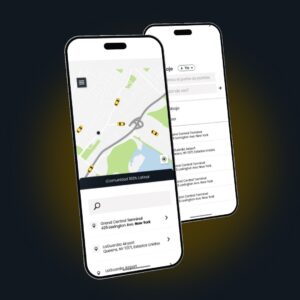
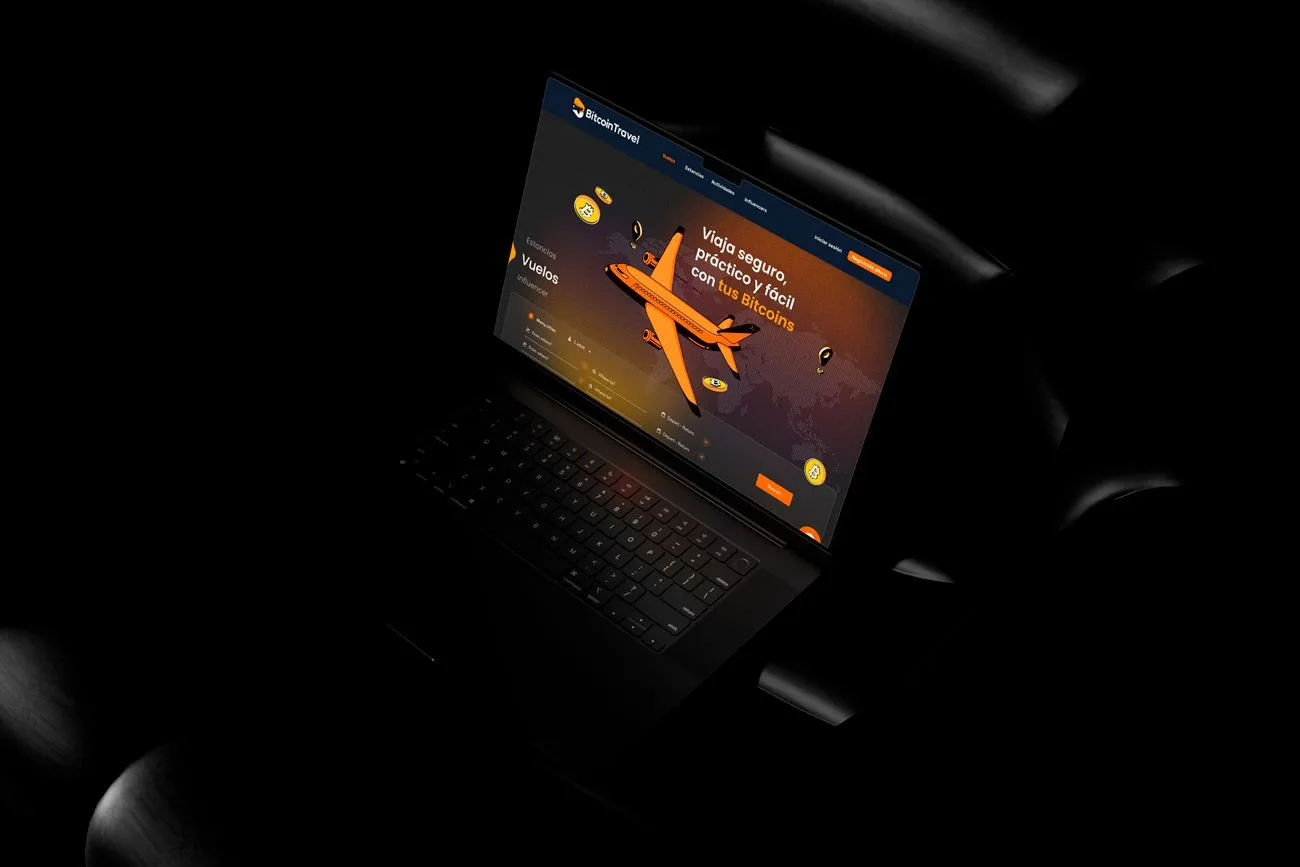
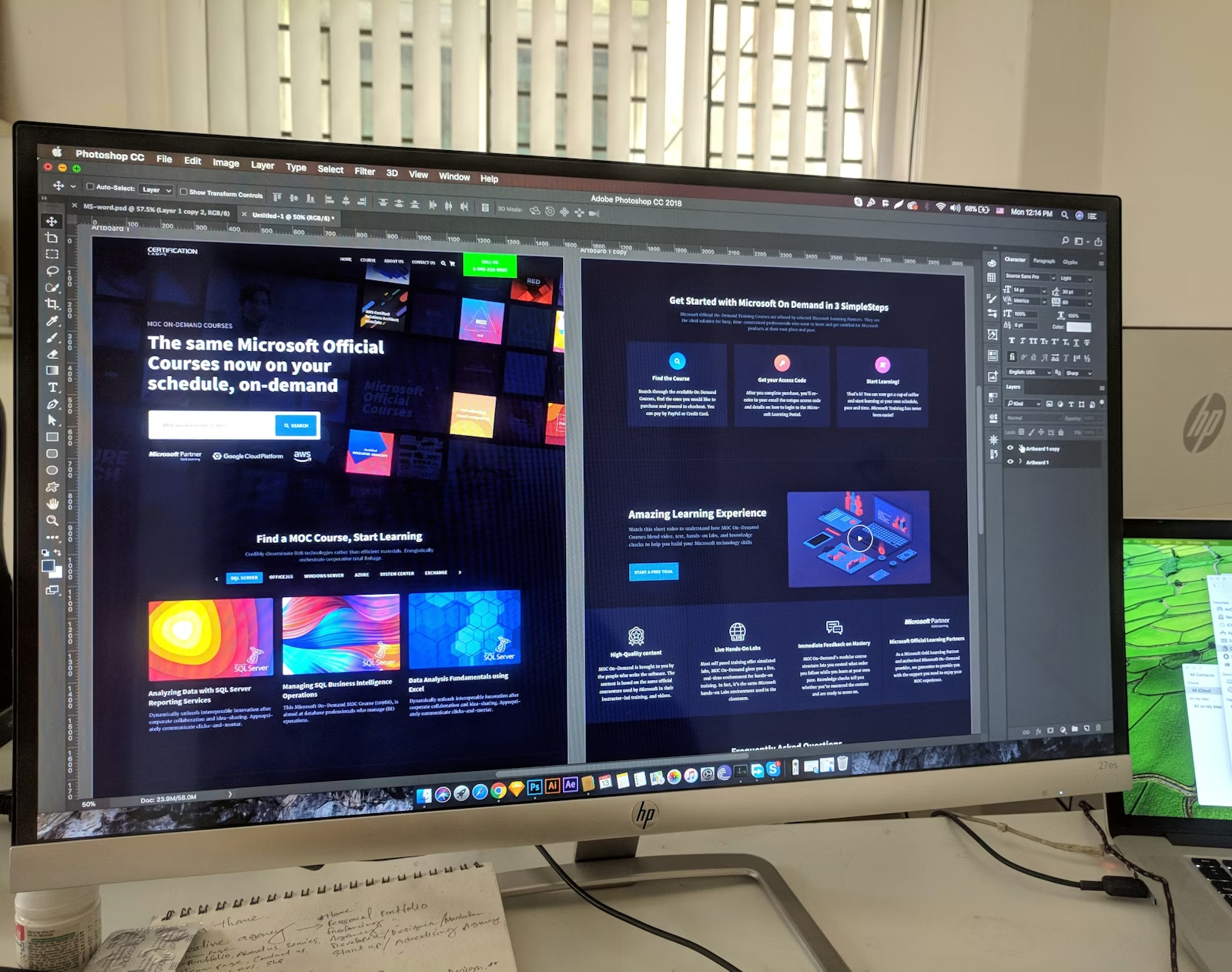
Website redesign services in El Salvador should include strategy, UX improvements, mobile-first layout updates, stronger copy structure, SEO preservation, conversion-path cleanup, technical QA, and launch support. A real redesign should improve how the site performs for prospects and search engines, not just how the homepage looks in a presentation.
The best redesigns start by protecting what already works, then upgrading what is costing you leads. That usually means reviewing page intent, navigation, contact flow, page speed, forms, trust signals, and analytics before anyone starts moving sections around.
A redesign is usually smarter when your business already has traffic, indexed pages, backlinks, or conversion history worth protecting. A full rebuild makes more sense when the platform is unstable, the structure is unusable, or the current site is so patched together that every change creates new technical problems.
I would not throw away a working foundation just because the visuals feel old. If the current site already ranks for service terms or drives WhatsApp inquiries, a careful redesign can preserve that momentum while fixing the parts that make the business look smaller, slower, or less trustworthy than it really is.
Most business website redesigns in El Salvador land between about $1,800 and $15,000 or more, depending on page count, copy updates, SEO migration complexity, and integrations. Simple refreshes cost less. Multi-page redesigns with stronger conversion strategy, content work, and technical cleanup cost meaningfully more for good reasons.
| Redesign level | Typical budget in El Salvador | Usually included | Best fit |
|---|---|---|---|
| Visual refresh | $1,800 to $3,500 | Homepage and key page cleanup, mobile polish, basic CTA improvements | Businesses with a decent structure that mainly need a credibility lift |
| Growth-focused redesign | $3,500 to $7,500 | UX changes, service-page updates, stronger forms, on-page SEO, analytics review | Service businesses that need better lead quality and more consistent inquiries |
| Strategic redesign with migration work | $7,500 to $12,000 | Content restructuring, redirect mapping, copy improvement, technical QA, conversion planning | Businesses with meaningful search traffic or older sites that need real cleanup |
| Advanced redesign plus integrations | $12,000 to $15,000+ | Booking, CRM, ecommerce, multilingual flows, automation, deeper testing | Companies with more operational complexity or multiple revenue paths |
Those ranges are practical, not dramatic. A redesign gets more expensive when the provider is fixing real business issues instead of swapping colors and fonts. If a quote is far below market while promising strategy, copy, SEO, speed, and custom development, I would inspect the exclusions carefully.
You should protect any pages, keywords, backlinks, forms, calls to action, and contact flows that already produce useful traffic or leads. The fastest way to hurt a business during redesign is to remove valuable URLs, weaken internal links, or replace high-intent pages with vague general pages that look cleaner but convert worse.
This is where many redesign projects go wrong. A team gets excited about the new look, but nobody inventories the old performance. Then rankings slip, branded searches land on weaker pages, and the business calls that a Google problem when it was really a migration-planning problem.
A safe redesign protects SEO by keeping strong pages discoverable, preserving or improving page intent, mapping redirects carefully, maintaining internal links, and monitoring indexing right after launch. Search visibility usually drops when teams change URLs carelessly, thin out content, or launch without testing crawlability and metadata.
Google’s SEO Starter Guide is still a strong baseline for understanding how search engines read content structure, while this SEO migration checklist for redesigns is useful for thinking through redirects, audits, and post-launch checks in plain business language.
To preserve WhatsApp leads and form conversions, redesign teams should document the current conversion path, keep critical contact actions highly visible, reduce unnecessary fields, and test every trigger before launch. Conversion losses often come from hidden buttons, slower pages, or forms that ask for more information than prospects want to give.
For many service businesses in El Salvador, WhatsApp is not a side channel. It is the fastest trust bridge between website visit and real conversation. That means button placement, mobile behavior, and message intent matter just as much as typography or animation choices.
If your company needs stronger first-phase structure, this small-business website development guide for El Salvador is a helpful benchmark for what a lead-focused site should support from day one.
The biggest gains usually come from improving homepage clarity, rewriting service pages around buyer intent, strengthening proof, and simplifying contact paths. Businesses often underestimate how much better results become when the redesign updates message hierarchy and page purpose instead of only refreshing visuals.
A home page can look modern and still be weak if it does not say who the business helps, what it solves, why it is credible, and what the visitor should do next. Content clarity is usually the part that makes the redesign actually pay off.
Page speed, mobile UX, and technical cleanup are core redesign priorities because they affect trust, usability, and search performance at the same time. A site that looks better but stays slow, cluttered, or unstable still frustrates users, especially on mobile devices where many business-first visits begin.
web.dev’s business impact examples for Core Web Vitals are a helpful reminder that performance work is not just technical housekeeping. Faster, smoother experiences often support better engagement, retention, and lead quality.
A strong redesign proposal should explain scope, page count, redesign goals, SEO handling, revisions, launch process, exclusions, ownership, and support after publishing. If a proposal only promises a modern look without explaining migration, testing, and conversion flow, it is not detailed enough for a serious decision.
Good proposals help you compare providers without guessing. Weak proposals hide work behind broad labels like premium redesign, SEO-ready, or conversion-focused while leaving out the operational details that actually protect the business during the project.
For a line-by-line benchmark, this El Salvador proposal guide is worth reviewing before you approve scope or deposit terms.
The clearest red flags are vague deliverables, no redirect discussion, no form testing plan, no performance review, and no clarity on who owns the site after launch. Cheap redesign offers become expensive when the business later pays extra to fix rankings, content gaps, broken forms, or weak conversion flow.
I get nervous when a provider says the redesign will be fast and easy without asking about traffic, indexed pages, integrations, or current lead sources. Serious teams usually ask more questions early because they know what can break.
A healthy website redesign usually takes about three to eight weeks for a focused service business and longer for custom integrations, heavy content work, or ecommerce. Timelines shorten when the business is decisive and organized, but a redesign that moves too fast often skips discovery, testing, or launch protection.
Quick turnaround is possible, but there is a difference between efficient and rushed. If the provider does not reserve time for content review, redirects, QA, and mobile testing, the project may launch on time and still create avoidable damage.
If timeline discipline matters to your business, compare this with this El Salvador website development timeline guide so you can spot schedules that look polished but unrealistic.
You should measure redesign success through lead quality, contact-rate improvement, mobile behavior, page speed, and visibility on the pages that matter most. The redesign worked if the business gets clearer inquiries, better user flow, and stronger trust signals without sacrificing the search presence it already earned.
Do not judge the project only by whether people compliment the new design. Track whether more of the right visitors reach key pages, click to contact, submit useful information, and move into your actual sales process with less hesitation.
The smartest next steps are documenting what is broken, listing what must be protected, setting a real budget, and comparing proposals against business outcomes instead of style alone. A redesign becomes much easier to buy wisely when the owner knows which pages, actions, and goals the new version must support.
If you are still sorting options, also review how to evaluate a website developer near you in El Salvador and what custom website development actually costs. Those two comparisons make it easier to tell whether your project needs a redesign partner, a custom build team, or a smaller first phase.
Business owners in El Salvador usually ask the same practical redesign questions about cost, speed, SEO risk, and whether a refresh is enough. Clear answers matter because the wrong project scope can waste budget, delay growth, or quietly damage the traffic and contact flow the business already relies on.
Yes. Better positioning, clearer service pages, stronger trust signals, and a simpler contact path can improve lead quality even if total traffic stays flat. Many businesses see better inquiries because the redesign filters weak visitors out and helps the right prospects move faster.
No. Rankings do not have to drop if the redesign preserves useful content, maps redirects correctly, and keeps search intent intact. Problems usually come from careless URL changes, weaker copy, broken internal links, or launching without post-launch SEO checks.
Often yes, if the redesign is planned in phases. A smart first phase can fix UX, protect SEO, and strengthen conversion now while leaving room for future CRM, booking, or ecommerce work once the business validates priorities and budget.
That depends on complexity. A freelancer can be enough for a smaller refresh. A broader redesign with copy strategy, SEO migration, QA, and integrations usually benefits from a stronger team process. The right choice is the one that matches the real scope honestly.
The best website redesign services in El Salvador do three things at once: they make the business look sharper, make the customer journey easier, and protect the search and contact assets that already help generate revenue. That is the standard I would use before approving any scope, timeline, or deposit.
If you want, lewebsite can help you audit the current site, identify what should stay, what should change, and what should never be touched during the redesign. That kind of clarity usually saves money before the first mockup ever gets approved.
If this article raised questions about your own site, book 20 minutes with Francisco or send us a WhatsApp. No commitment, no long forms.
Or by phone: +1 (713) 396-5007 · +503 7931-1403